
Introduction: Understanding Male Wellness
The concept of wellness encompasses a broad spectrum of daily habits, nutritional awareness, and lifestyle choices. This educational resource explores the foundational knowledge surrounding natural compounds, micronutrients, and plant-based elements that have been studied in various contexts throughout history.
Understanding the role of vitamins, minerals, and botanical extracts provides valuable context for those interested in learning about nutritional science and holistic approaches to daily living. This compendium serves purely educational purposes, presenting information without recommendations or medical guidance.
The Role of Natural Compounds in Daily Life
Natural compounds derived from plants, fruits, and minerals have been subjects of human interest for centuries. From ancient herbal traditions to modern nutritional science, understanding these elements provides insight into how various cultures have approached wellness throughout history.
Vitamins such as C, D, and E, along with minerals like Magnesium and Zinc, play diverse roles in biological processes. These micronutrients are found in everyday foods and have been extensively documented in nutritional literature.
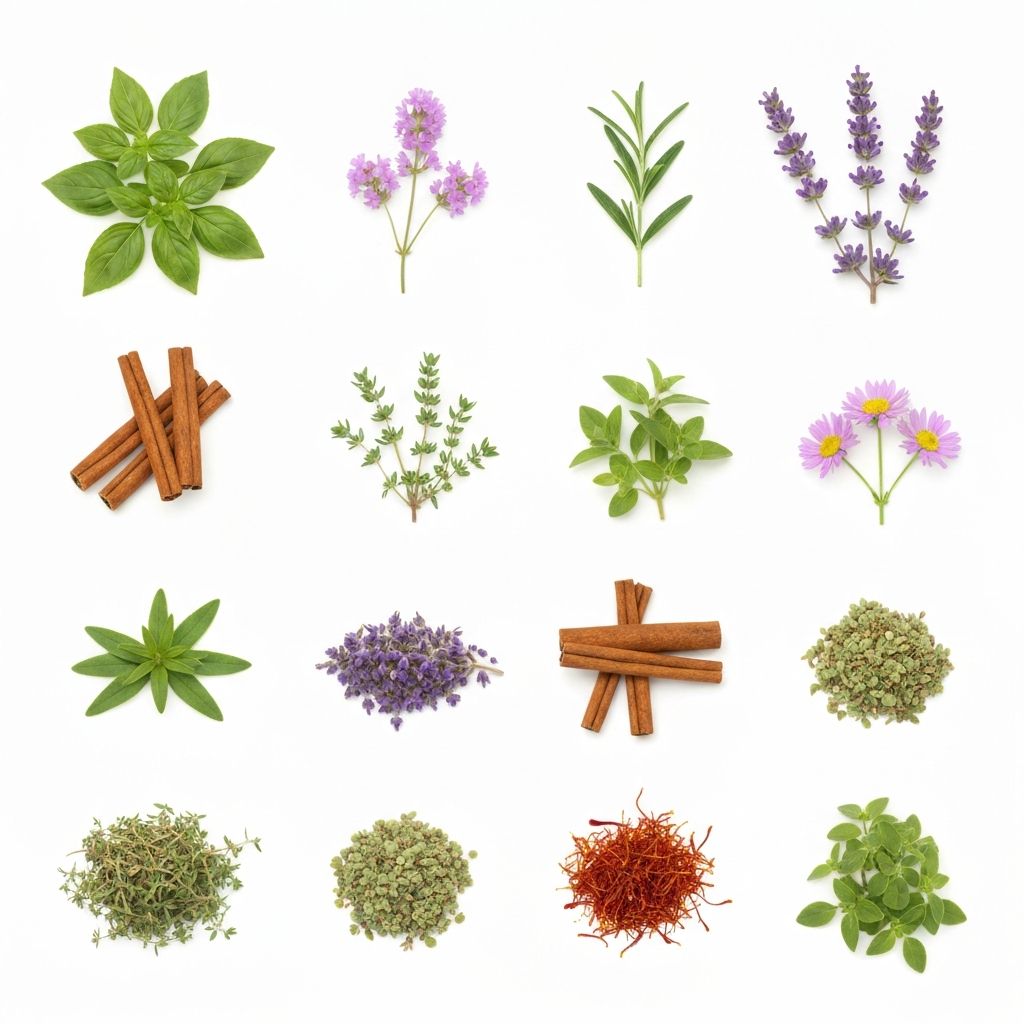
Micronutrients and Energy Efficiency
Vitamin C
Vitamin C, also known as ascorbic acid, is a water-soluble vitamin found in citrus fruits, berries, and green vegetables. It has been studied for its role as an antioxidant and its presence in various metabolic processes.
Vitamin D
Vitamin D is synthesized in the skin through exposure to sunlight and can also be obtained from certain foods. Research has explored its presence in bone metabolism and calcium absorption processes.
Vitamin E
Vitamin E represents a group of fat-soluble compounds found in nuts, seeds, and vegetable oils. Scientific literature has documented its antioxidant properties and its occurrence in cellular membranes.
Magnesium
Magnesium is a mineral present in leafy greens, nuts, and whole grains. It participates in hundreds of enzymatic reactions and has been the subject of extensive nutritional research.
Zinc
Zinc is a trace element found in meat, legumes, and seeds. Nutritional science has documented its role in various biological processes and its presence in protein synthesis.
Plant Extracts: Historical Context
Ginseng
Ginseng refers to several species of plants that have been used in traditional practices across Asia for thousands of years. Modern research has explored its chemical composition, including ginsenosides and polysaccharides, though individual experiences vary widely.
Maca
Maca is a root vegetable native to the Peruvian Andes, cultivated for over 2,000 years. It contains various amino acids, minerals, and plant compounds. Traditional use and modern interest have made it a subject of ethnobotanical study.
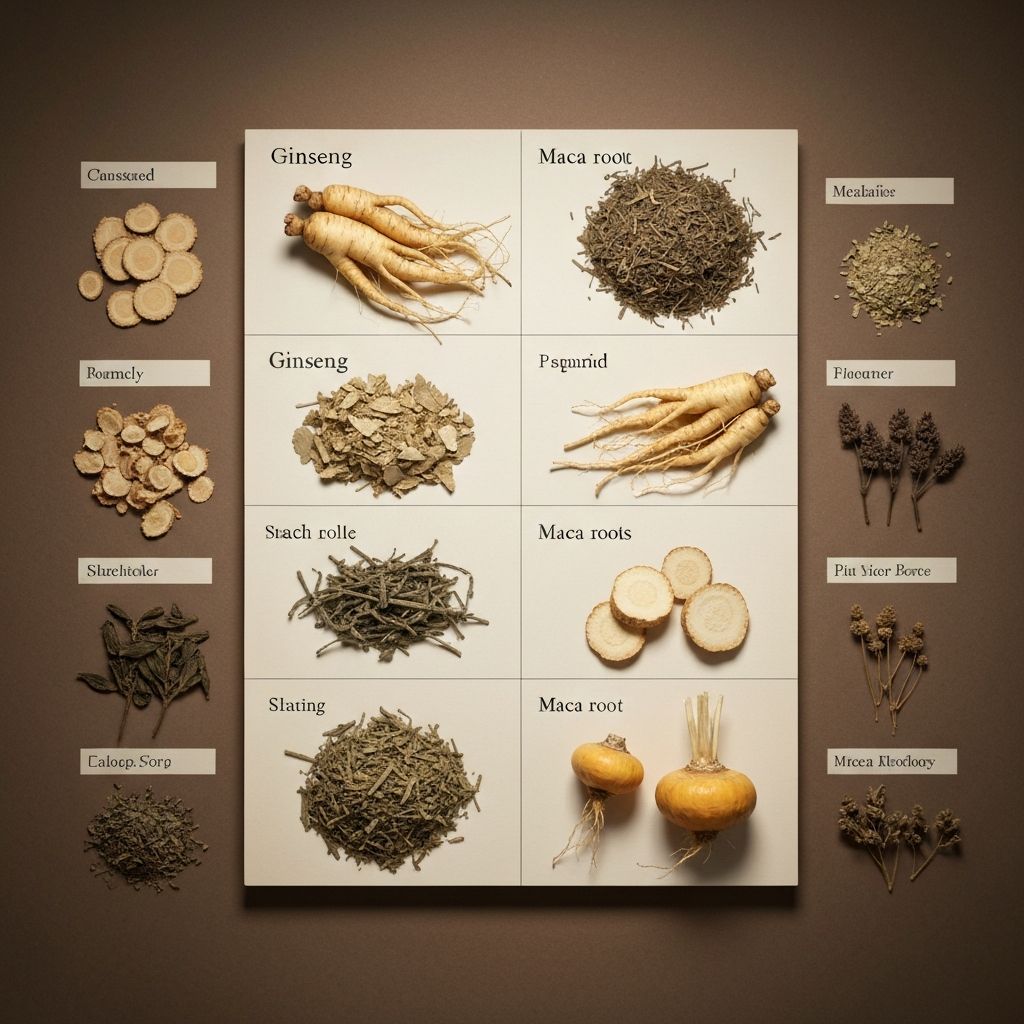
Foundations of an Active Lifestyle
Physical activity represents a fundamental aspect of daily living. Understanding different forms of movement and their historical context provides valuable educational insight.
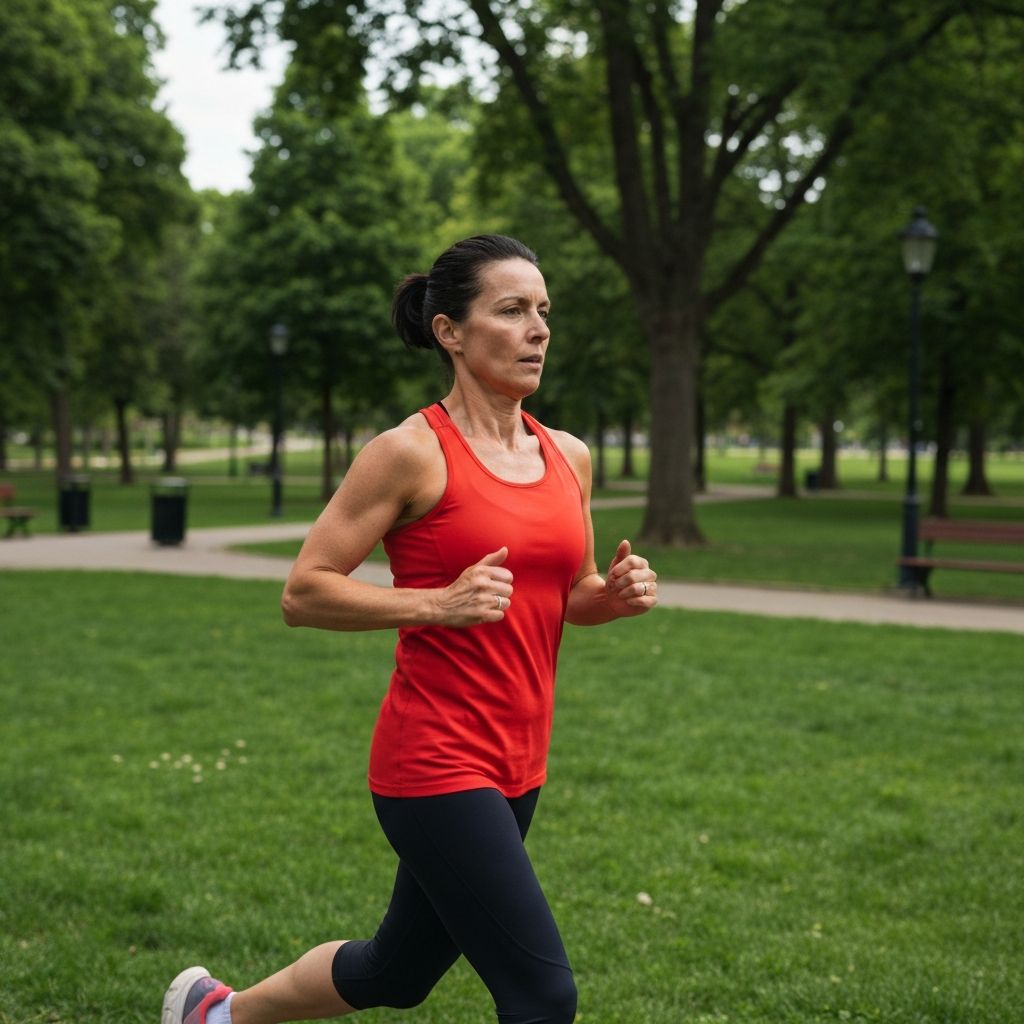


Cardiovascular Activities
Walking, running, cycling, and swimming have been practiced throughout human history. These activities engage multiple muscle groups and have been subjects of physiological research.
Resistance Activities
Bodyweight exercises and resistance training have ancient roots, from Greek gymnastics to Indian yoga traditions. Understanding these practices provides context for modern fitness culture.
Flexibility and Balance
Stretching practices and balance exercises appear in various cultural traditions worldwide. These movement forms emphasize range of motion and body awareness.
Hydration and Balance
Water intake represents a basic physiological requirement. The human body consists of approximately 60% water, and maintaining adequate fluid levels is essential for cellular processes. Different factors influence individual hydration needs, including activity levels, climate, and overall daily routine.
Understanding the general principles of hydration provides context for daily habits, though specific needs vary significantly among individuals based on numerous personal factors.
Dietary Diversity Principles

Nutritional diversity has been a cornerstone of traditional diets across cultures. Consuming a variety of whole foods provides exposure to different micronutrients, fiber sources, and plant compounds.
Whole grains, legumes, fruits, vegetables, nuts, and seeds each contain unique nutritional profiles. Understanding these categories helps contextualize the broader field of nutritional science.
The Importance of Routine
Establishing consistent daily patterns has been recognized across various wellness traditions. Regular sleep schedules, meal timing, and activity patterns form the foundation of many lifestyle approaches.
Chronobiology, the scientific study of biological rhythms, has explored how timing influences various physiological processes. While research continues in this field, the concept of routine remains a common element in traditional wellness practices.
Connection with Nature
Spending time in natural environments has been valued throughout human history. From forest bathing practices in Japan to nature walks in European traditions, outdoor exposure represents a common cultural theme.
Research in environmental psychology has explored the relationship between natural settings and human experience, though individual responses vary considerably based on personal preferences and circumstances.

Informational Summary on Nutrient Absorption
The bioavailability of nutrients refers to the proportion that enters circulation and can be utilized by the body. Various factors influence this process, including food combinations, preparation methods, and individual digestive characteristics.
Fat-soluble vitamins (A, D, E, K) are absorbed differently than water-soluble vitamins (B-complex, C). Understanding these distinctions provides educational context for nutritional science, though application varies significantly among individuals.
Educational Recommendations Following Information
After exploring the informational context of natural elements and lifestyle principles, some individuals seek to deepen their understanding through:
- Exploring the role of nutrients and vitamins for male comfort in daily life
- Learning about breathing exercises for stress reduction and concentration enhancement
- Understanding short relaxation techniques for stress level management
- Reading nutritionist perspectives on supporting a healthy lifestyle approach
These topics represent educational areas that complement the foundational knowledge presented throughout this compendium.
Limitations and Context
Important Information About This Resource
Educational Purpose: This website provides informational content for educational purposes only. All material represents general knowledge and historical context rather than personalized guidance.
No Individual Recommendations: The content does not constitute advice tailored to individual circumstances. Personal decisions should be based on individual research and consultation with qualified professionals.
Diversity of Approaches: Wellness practices vary widely across cultures and individuals. The information presented reflects diverse traditions and perspectives without endorsement of any particular approach.
Not a Replacement: This educational resource does not replace personalized assessment or professional consultation. Readers should make independent decisions based on their own research and circumstances.
Informational Nature: All content describes concepts, explains phenomena, and provides context rather than directing action or influencing personal choices.
Continue Your Educational Journey
Explore additional informational resources to understand the general context of natural elements and lifestyle principles.
Read About Our Educational Mission Explore Informational Guide